
Understanding Public Perspectives Around Nuclear Power

This white paper suggests public acceptance will be critical as Singapore studies whether nuclear energy could play a role in its future power mix. Reviewing international research, the paper finds that major accidents such as Chernobyl and Fukushima continue to dominate public thinking about nuclear risk. Many people overestimate the likelihood of accidents and often […]
2025 Report of Achievements
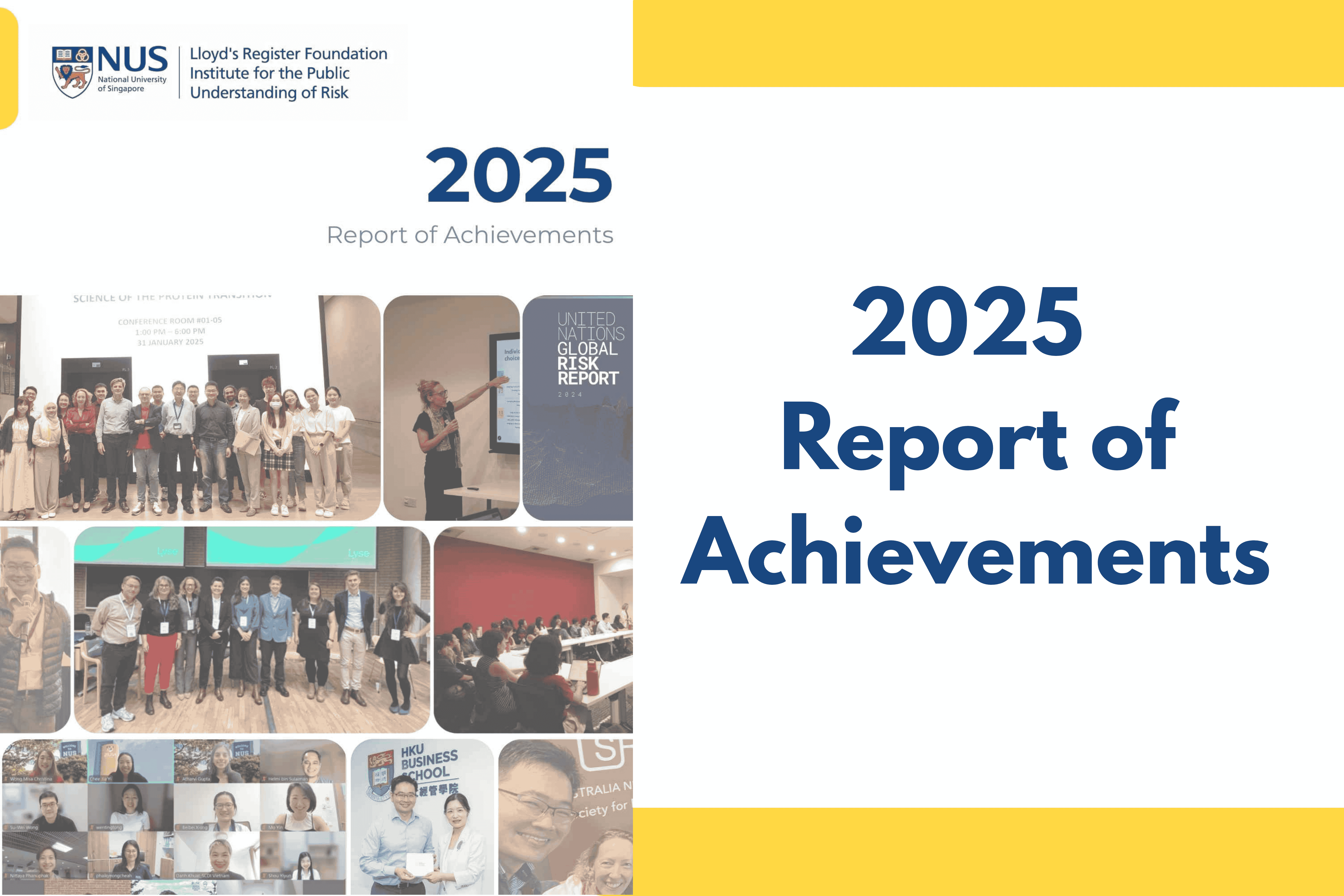
In 2025, the LRF Institute for the Public Understanding of Risk (IPUR) continued to advance its mission as Asia’s leading institute dedicated to enhancing public understanding and communication of risk. Against a backdrop of rapid technological change, environmental challenges, and evolving health risks, IPUR remained steadfast in bridging the gap between expert knowledge and public […]
2024 United Nations’ Global Risk Report
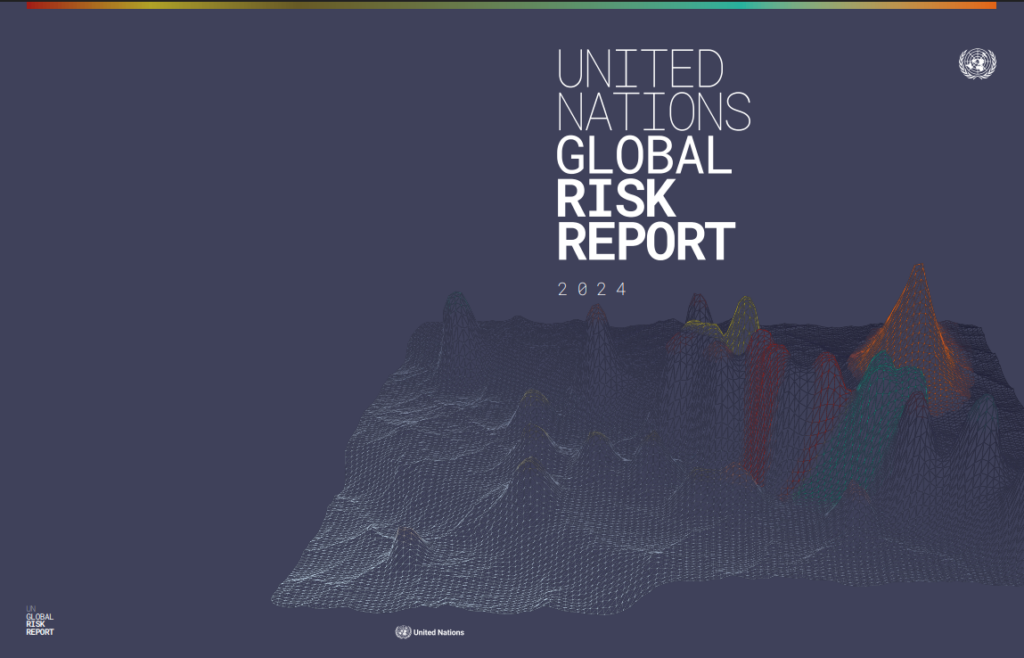
We are living in an age of increasingly complex and interconnected global risks. Multilateral institutions are not sufficiently prepared. The UN Global Risk Report identifies which risks are most important and for which risks we are least prepared. Key findings include: Global Vulnerabilities arise when institutions are underprepared for important risks; they cluster across political, technological, […]
Using AI to assess and manage environmental risk
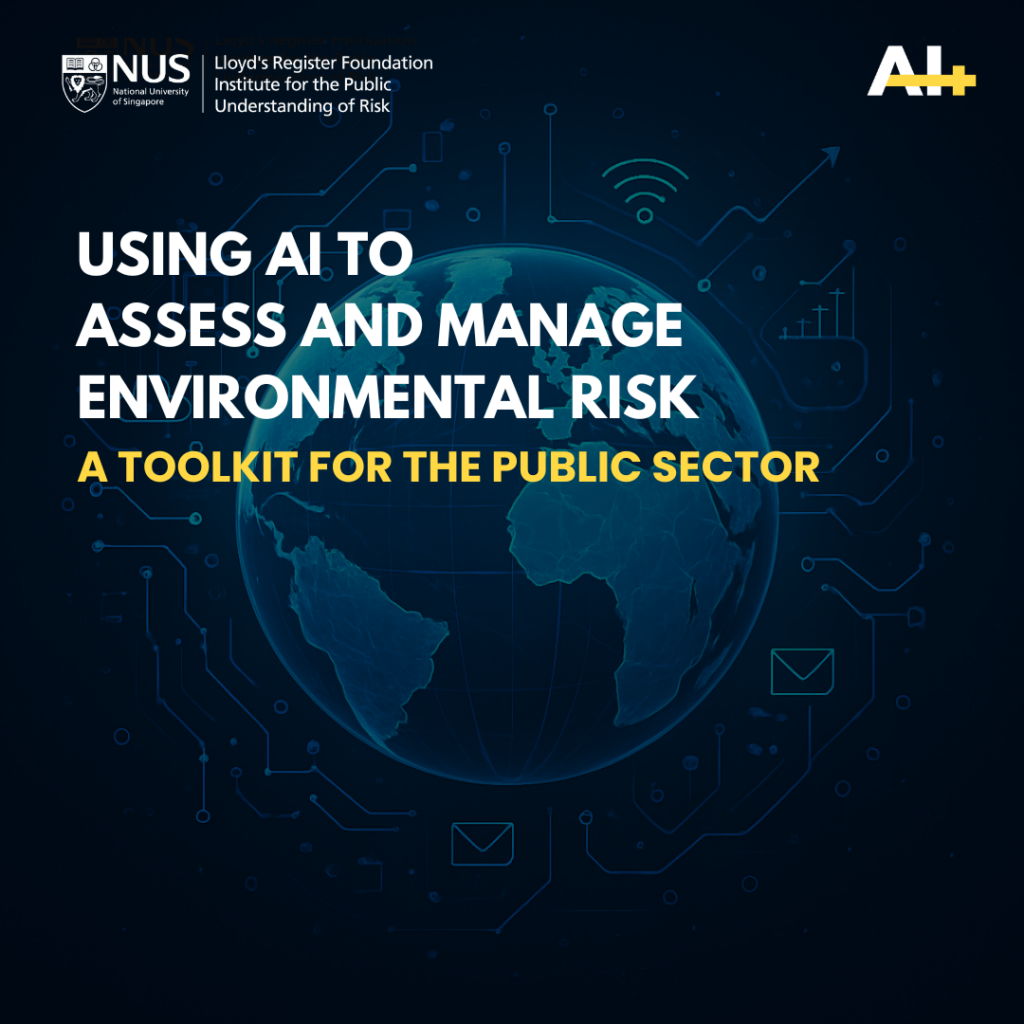
This report is primarily targeted at environmental regulators, policymakers, researchers, and other stakeholders at the forefront of understanding and addressing the complexities of modern environmental challenges, particularly in the context of the data revolution and the integration of AI technologies. Developed together with IPUR Visiting Fellow Marla Orenstein, it is designed to provide these professionals […]
ASEAN Disaster Risk Communication Framework

In the first week of September 2024, the ASEAN region was hit by 20 significant disasters caused by natural hazards, including floods, storms, and landslides. These events caused massive devastation, affecting 2.83 million people and claiming 46 lives. Unfortunately, this week was not an outlier. Each week, thousands—sometimes millions—across Southeast Asia face the impacts of […]
Diabetes Perception Report

Diabetes is a global health crisis, affecting one in ten adults (International Diabetes Federation, 2021; Lin et al., 2020). By 2045, this is expected to rise by 46%, with one in eight adults having diabetes. In Singapore, over 400,000 people currently live with diabetes, a number expected to reach 1 million by 2050; the increasing […]
Handy Guide for Healthcare Professionals – Supporting Growth Mindset among Patients with Diabetes
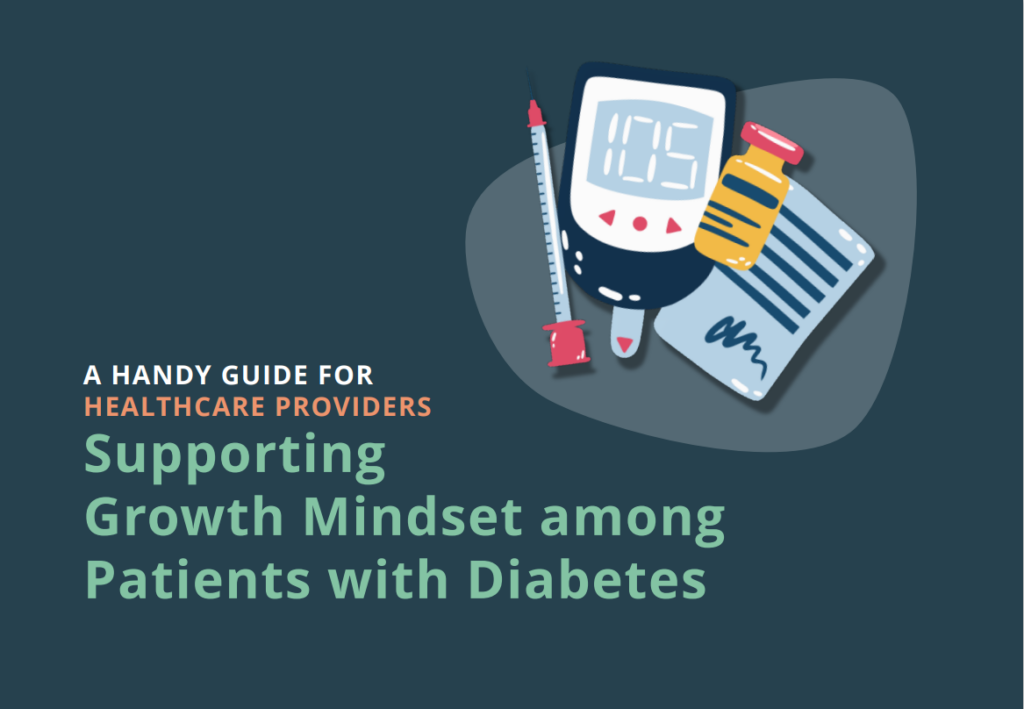
IPUR has developed a handy guide for healthcare professionals. Informed by interviews with healthcare providers and patients with diabetes, the guide offers a toolbox of strategies that can be integrated into current clinical practice and transform patient-provider interactions. Healthcare providers play an influential role in how patients engage with their diabetes journey. They serve not […]
Risk Perception Gaps – Risk Perceptions and Experience of Harm in Singapore, South Korea and China

In the second Project Wavelength report employing survey data from Singapore, South Korea, and China, we looked at the perceptions of risks among the the three countries and how they compared against each other. Infectious diseases were a leading source of worry for respondents in all three countries, but beyond this shared concern, there were considerable […]
How-to-Guide on Reducing Your Carbon Footprint

IPUR developed a How-to-Guide to equip individuals with the right know-how on things they should know and do to reduce their carbon footprint. The guide serves as a simple yet informative document to support individuals in adapting their daily lifestyle habits to better align not only with Singapore’s Net Zero ambitions but globally as well. […]
A Handy Guide for Healthcare Providers

IPUR has developed a handy guide for healthcare professionals. Informed by interviews with healthcare providers and patients with diabetes, the guide offers a toolbox of strategies that can be integrated into current clinical practice and transform patient-provider interactions. Healthcare providers play an influential role in how patients engage with their diabetes journey. They serve not […]