
Getting to Net Zero: Knowledge and Perceptions in Singapore

IPUR embarked on a study with the Ministry of Sustainability and the Environment (MSE) and Lee Kuan Yew Centre for Innovative Cities (LKYCIC) at the Singapore University of Technology and Design (SUTD) to understand Singaporeans’ attitudes towards the nation’s Net Zero targets and its associated policies, as well as the actions they intend to take […]
Singapore 2023 Risk Barometer
The IPUR Singapore Risk Barometer Report is a flagship initiative to gain deeper insight into the risks that Singaporeans feel are the greatest concerns in their daily lives. It spotlights the needs, expectations and demands of society and serves as an annual scorecard on the management of these risks. The report aims to provide valuable […]
Risk Perception Gaps – Government risk communications in Singapore, South Korea and China
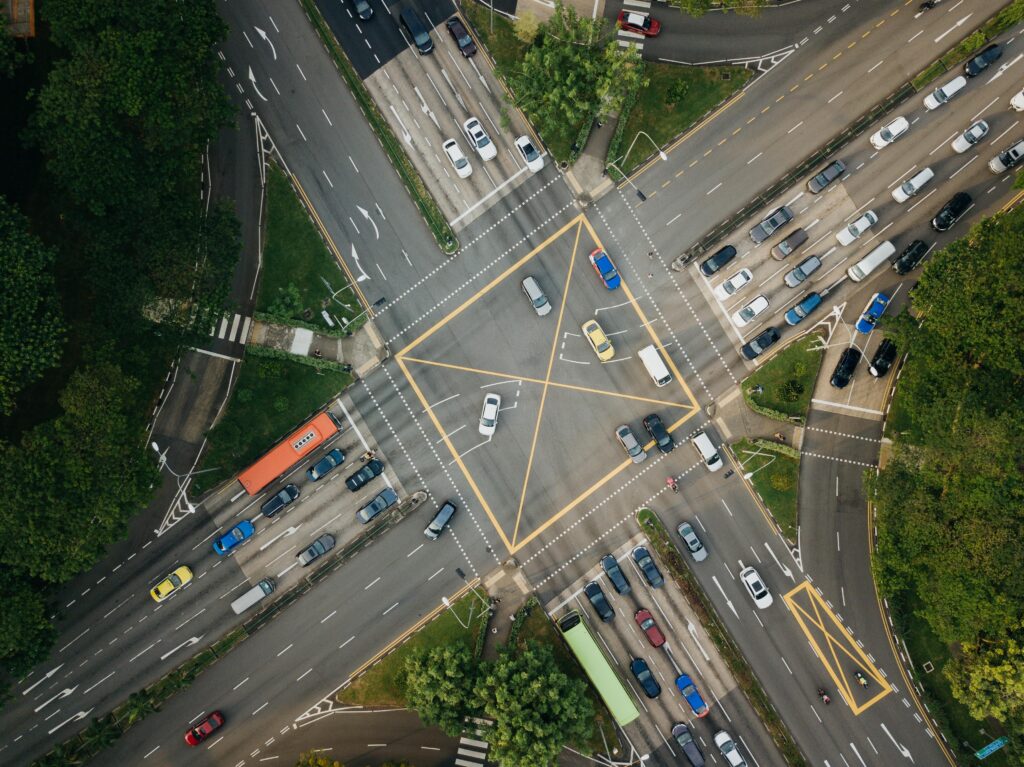
This report is the first in a series employing survey data from Singapore, South Korea, and China. Each report highlights a different dimension of public perceptions surrounding everyday risks, including: Whether risk information provided by public authorities is accessible, understandable and relevant to members of the public; Whether individuals see governments, private companies, the media […]
Mobilising Artificial Intelligence for Maternal Health in Bangladesh
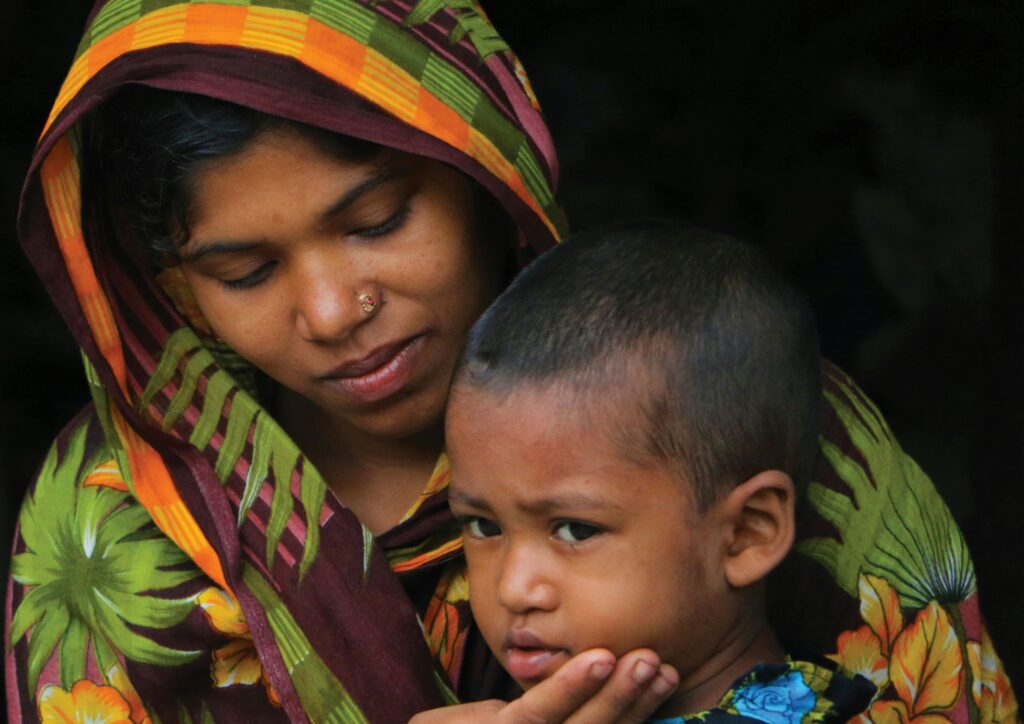
In 2021, the Association of Pacific Rim Universities (APRU) and the Government of Bangladesh launched a project with the support of Google and invited a research team led by IPUR to work with them to investigate the potential for AI applications for maternal health in Bangladesh. At the heart of the project was a collaborative […]
Disasters in Asia – The People’s Perspective
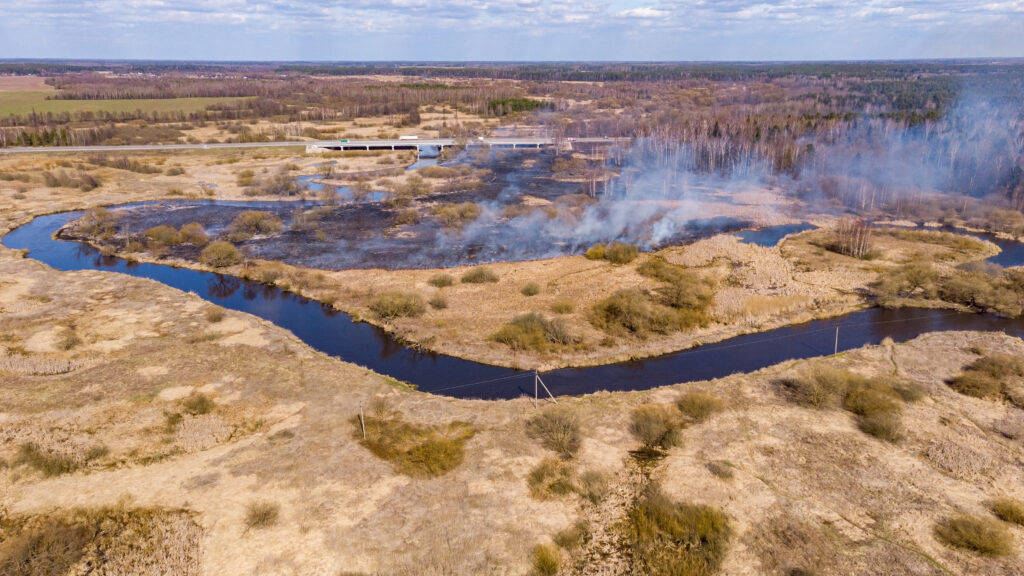
Millions of people in Asia are affected by multiple disasters every year and have limited time to recover from one calamity to the next. Drawing from the Lloyd’s Register Foundation World Risk Poll, these research briefs frame the plight of people in Asia who face disruption from disaster-related events. The briefs analyse and discuss different […]
Climate risks and resilience
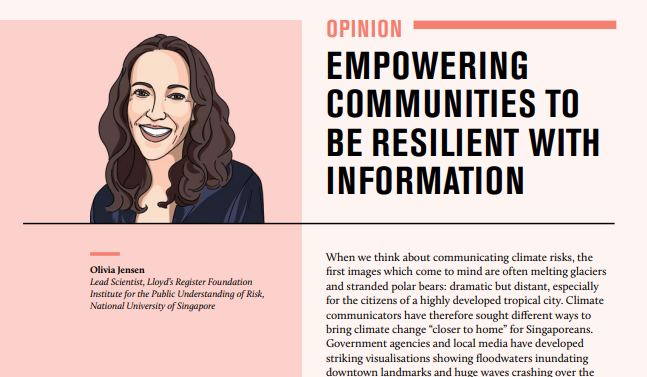
Dr Olivia Jensen, IPUR Lead Scientist (Environment and Climate) contributed an opinion piece to the Centre for Livable Cities’ playbook on “Building Community Resilience”. In the piece, titled “Empowering Communities to be Resilient with Information”, Dr Jensen speaks about communicating climate risks, the effectiveness of public risk management in Singapore and the resulting “caretaker effect” […]
The impact of risk perception on precautionary behaviours towards COVID-19 among health care workers and general population
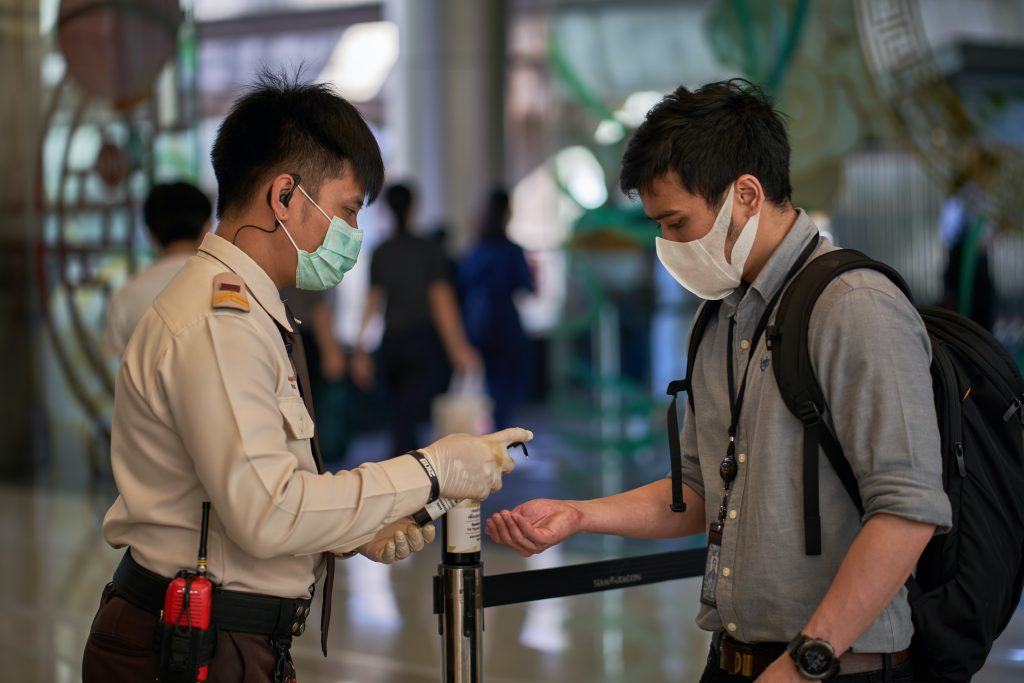
Do healthcare professionals and the general public perceive risks differently? COVID-19 has had deep and profound impacts on the world with people’s lives altered not just by the ill physical effects of the disease but also by the economic, social and psychological effects of local and global disease control measures. Yet, there are varying degrees […]
Addressing severe and interrelated water security challenges in Indonesia
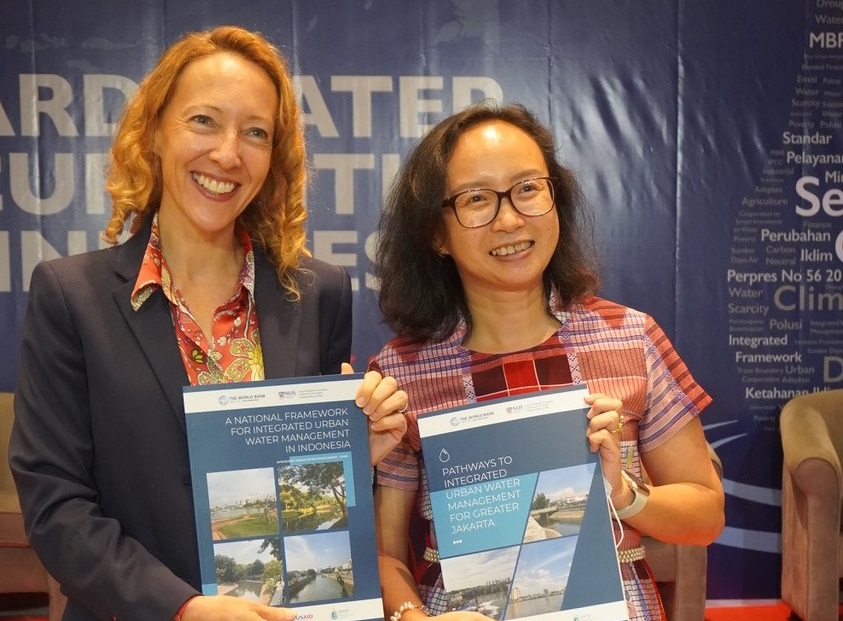
Water insecurity challenges in Indonesia are of significant concern, particularly in regions that are critical for economic growth. A third of Indonesia’s river basins are under stress year round, and almost half are under stress during the dry season. Projections show that addressing water insecurity in a concerted and integrated manner could help to drive […]
The risk landscape of Asian youth

In March 2021, the LRF Institute for the Public Understanding of Risk (IPUR) at the National University of Singapore (NUS) partnered with the NUS Office of Risk Management and Compliance (ORMC) to understand how undergraduate students in Singapore perceive risks. The undergraduates shared their views on a comprehensive set of 36 risk sources which were […]
Climate change communication today
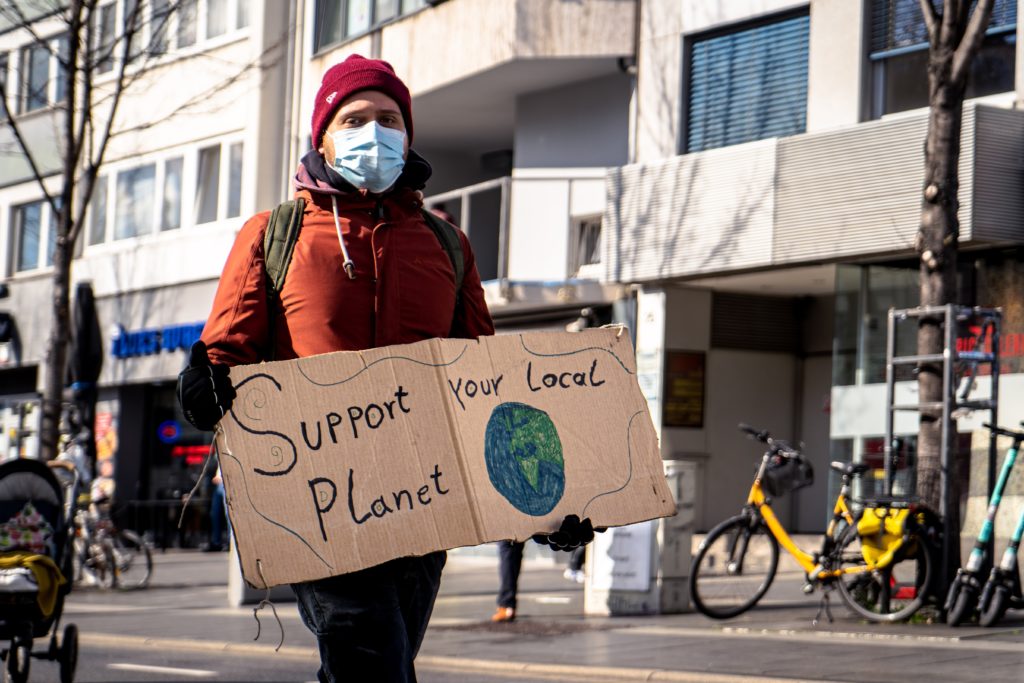
A study funded by the LRF Institute for the Public Understanding of Risk (IPUR) found that climate change communicators work to relate climate change impacts to the experiences of their audience with extreme events, the way they now live, and give specific examples of changes that might happen and actions that could be taken. The […]