Environment and Climate
Signature Projects
Adaptive Coastal Planning in Singapore
Principal Investigator:
Olivia Jensen
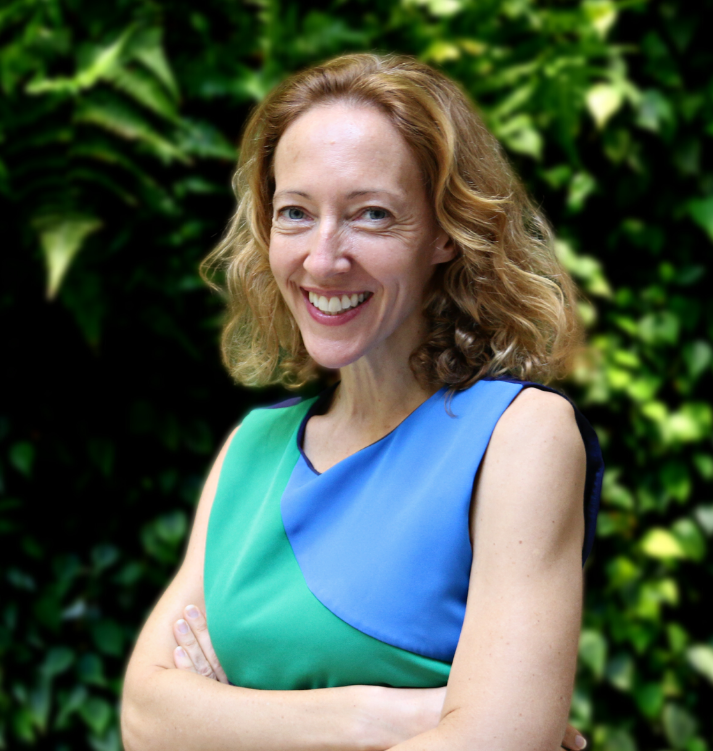 Zach Lee
 Tra Thi Trinh
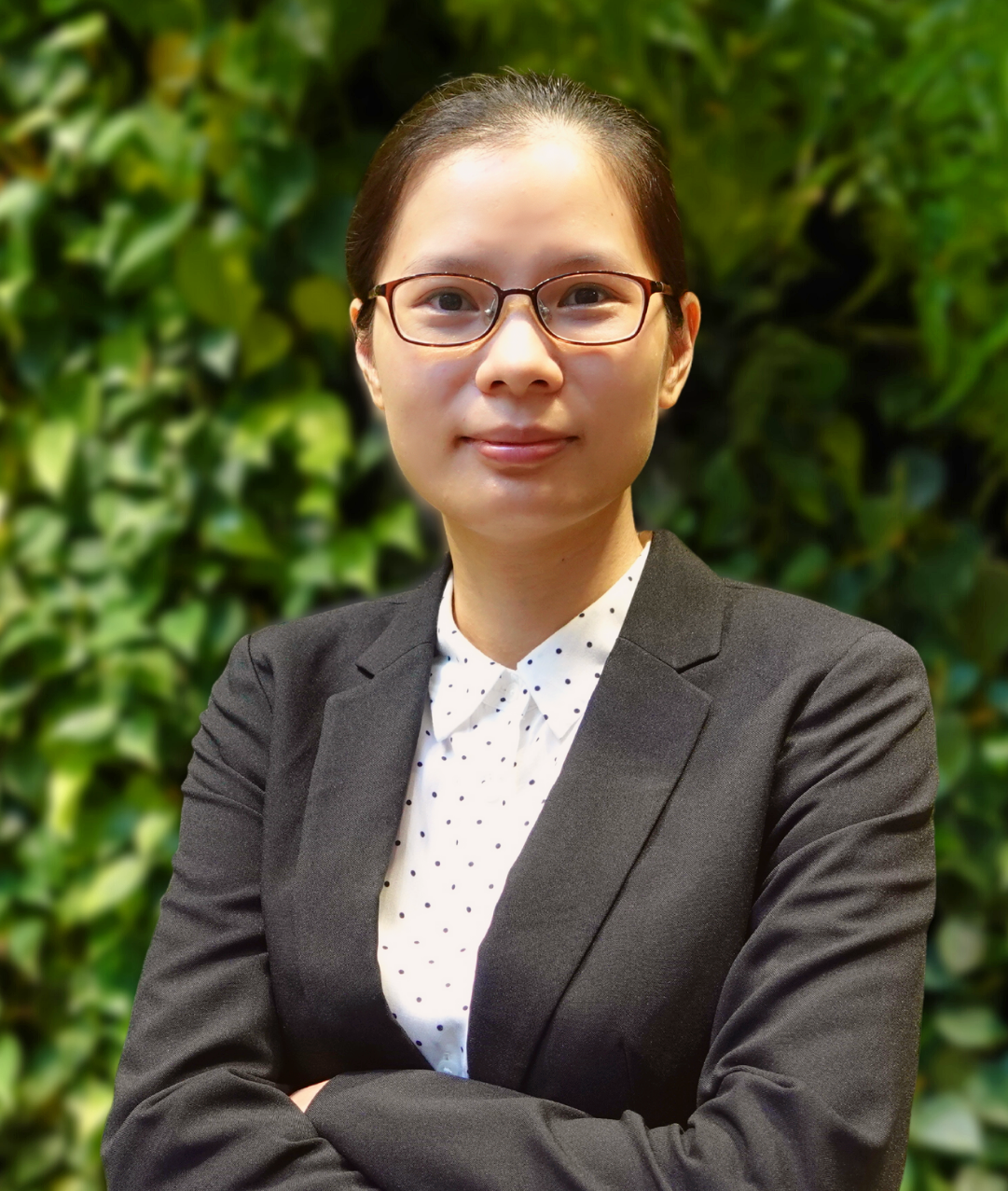 Yexia Lin Xu
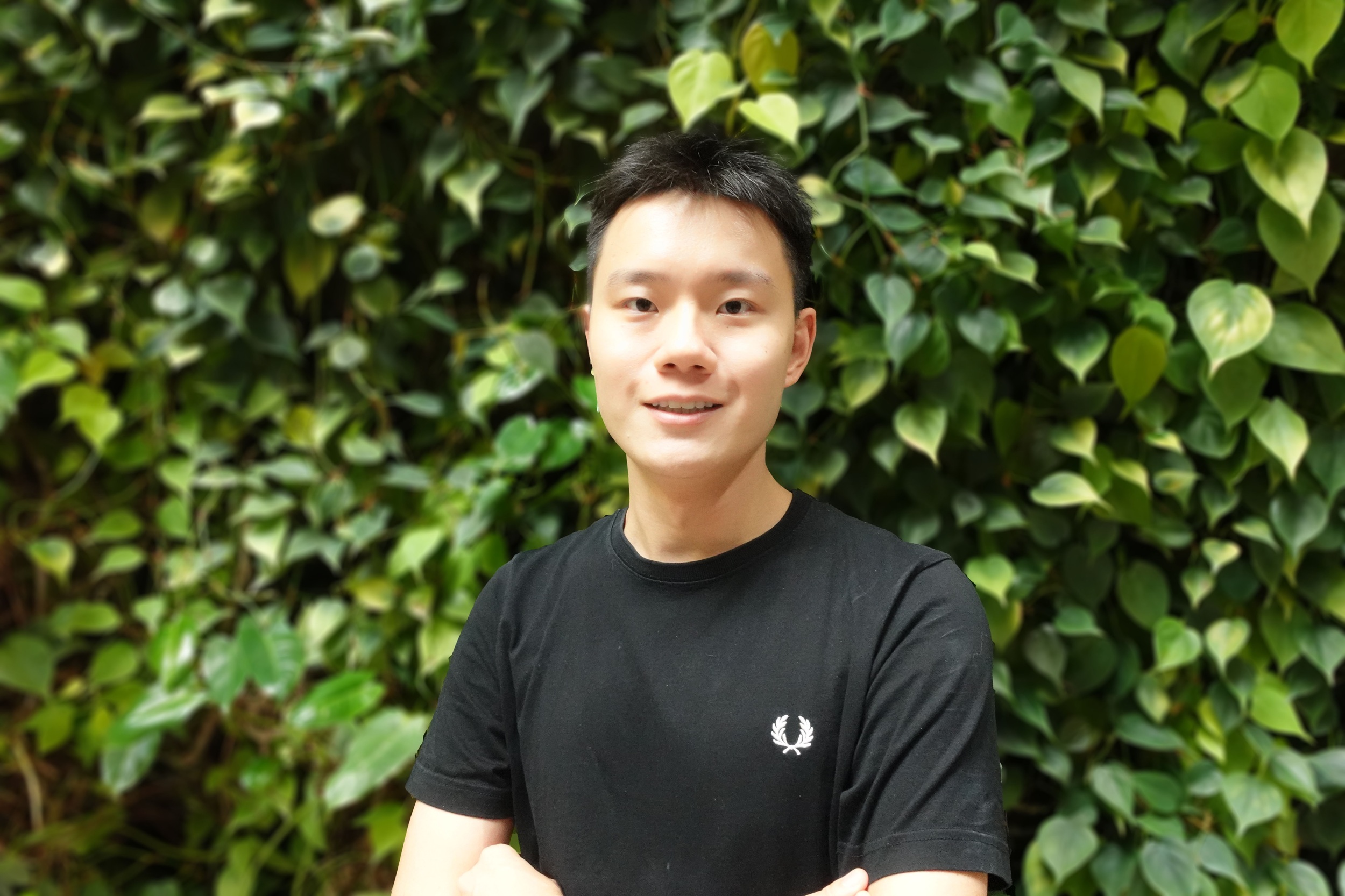
CODEMAPP is coastal protection and flood management research programme (PUB) research project led by the National University of Singapore.
At a glance
Lead institution: National University of Singapore
Lead Principal Investigator: Dr Olivia Jensen, Institute for the Public Understanding of Risk
Project team: College of Design and Engineering
- Asst Prof Vincent Gan, Department of the Built Environment
- Asst Prof Naomi Hanakata, Department of Architecture
- Asst Prof Li Xiaobo, Department of Industrial Systems Engineering and Management
- Asst Prof Dorothy Tang, Department of Architecture
Industry partner: Haskoning
Project overview
CODEMAPP is a 3-year research project, launched in December 2025, to develop an evidence-based framework to support adaptive coastal protection planning in Singapore. The project looks at how different coastal protection options may be assessed incorporating the human impacts of flooding, costs and benefits, resilience, and site-specific planning considerations.
Why this project matters
Coastal protection decisions involve long time horizons and multiple trade-offs. Different measures can vary in the level of protection they provide, how adaptable they are over time, their land and environmental implications, and their costs and benefits in different settings. CODEMAPP aims to strengthen the evidence base and decision-support methods available for considering these trade-offs in a more integrated, transparent and rigorous way.
Project focus
- Work Package 1. Human impacts and risk tolerance
WP1 develops Singapore-specific evidence on human impacts of flooding, including evacuation-related factors and public attitudes to flood risk. The aim is to improve the evidence base for planning assumptions and design considerations relevant to coastal flood protection.
- Work Package 2. Costs, benefits, and land-sea context
WP2 develops methods to assess lifecycle costs and benefits of selected coastal protection measures. It also examines how such measures interact with different land-sea settings and considers selected secondary, ecological, spatial, and place-based factors that may be relevant in decision-making.
- Work Package 3. Adaptive planning and decision support
WP3 examines stakeholder and planning considerations around selected case-study areas and integrates findings from across the project into a structured decision-support framework for adaptive coastal protection planning.
Case Studies
Detailed site-specific data will be gathered for selected case-study areas, chosen to reflect a range of coastal land uses, infrastructure and stakeholders, starting with the West Coast area.
Outputs
CODEMAPP is expected to contribute:
- evidence and methods relating to flood risk, evacuation-related factors, and risk tolerance;
- lifecycle cost and benefit assessment approaches for selected protection measures;
- site-based stakeholder mapping and planning insights; and
- an integrated decision-support framework for adaptive coastal protection planning.
Contact
Dr Olivia Jensen, Deputy Director, Institute for the Public Understanding of Risk, National University of Singapore
Contact: olivia.jensen@nus.edu.sg