
Comparing societal narratives and individual risk perceptions

Narrowing the risk perception gap between the general public and societal risk narrative portrayed in the media can help create effective risk communication strategies and policy responses. However, attempting to narrow this gap means being able to first know where the gaps are. A comprehensive dataset, via a computational linguistics methods, is required to understand how […]
Climate change communication today
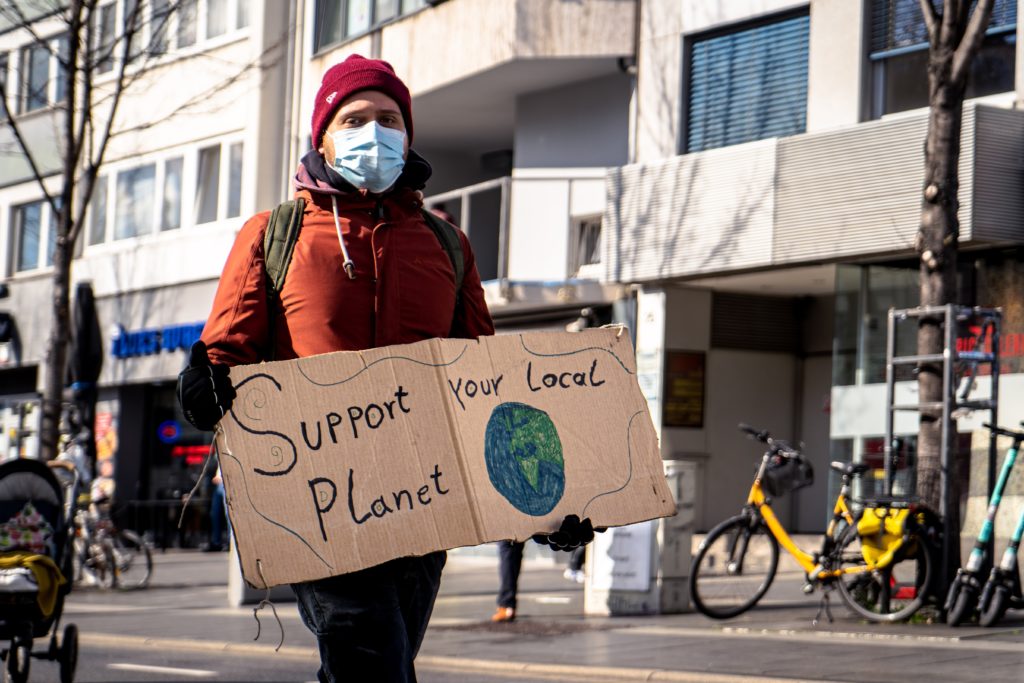
A study funded by the LRF Institute for the Public Understanding of Risk (IPUR) found that climate change communicators work to relate climate change impacts to the experiences of their audience with extreme events, the way they now live, and give specific examples of changes that might happen and actions that could be taken. The […]
“Understanding and Communicating Risk” Course

This pilot study explored what makes society resilient to deception by fake news. It approached this general question by experimenting with the use of a fake news game to see if the intervention was effective in increasing players’ ability to identify online mis/disinformation. More information about the study can be found here. Download the full […]
The 5S’s of Consumer Health: A Framework and Curation of JCR Articles on Health and Medical Decision-Making
Temporality and Systemic Risk: the Case of Green Bonds
Spending Windfall (“Found”) Time on Hedonic versus Utilitarian Activities
Mobility as a Service (MaaS): the importance of Transportation Psychology
Collaborative Action for Community Resilience to Climate Risks: Opportunities and Barriers
Climate Risk Perceptions and Policy Ambition
Climate Policy and Industry Elite Perceptions of Risk and Uncertainty: A Cross-National Study