
Messaging for climate and weather disaster risk reduction_Dr Andrea Taylor_Research Webinar
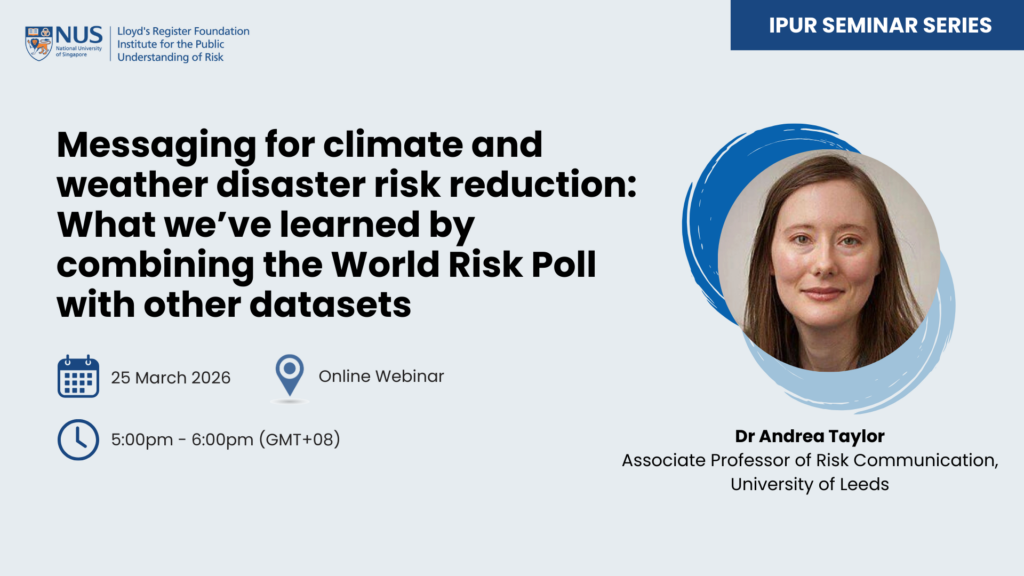
https://www.youtube.com/watch?v=rvmcvAkoA_E Dr Andrea Taylor focused on understanding public perceptions of risk related to climate and weather disasters using data from the World Risk Poll. The Poll, which covers over 140 countries and includes more than 100,000 respondents per round, provides a unique global perspective on how people perceive and prepare for risks such as flooding, […]
Warnings and planning: how to prepare for a disaster
Disasters can strike at any moment, with little notice. Very often, individuals and households have precious few minutes and maybe even seconds to react and take the necessary action to protect themselves and their family members. Having a plan or some semblance of what to do amidst the panic could prove invaluable in such scenarios. […]
The role of insurance in enhancing societal resilience

The toll of floods on lives and livelihoods has become more severe as global warming worsens, land use changes, and economic density increases in sensitive regions. Based on Swiss Re Sigma data (1970 – 2019), floods – including those associated with coastal storm surges, tropical cyclone and convective storm activity – incur costs of up […]
If Singapore were to come under attack or face a natural disaster, how prepared would you be?
Every year on Feb 15, the siren wails of Singapore’s public warning system ring across the country at 6.20pm to commemorate Total Defence Day. Now, without asking Google or ChatGPT, do you know what the annual exercise is for? Do you know what the siren wails sound like? A quick history lesson – 6.20pm on Feb 15 is the exact […]
Community resilience from California to Singapore

For me, natural disaster had always lived in the television and the newspaper. I grew up in the suburban utopia of Santa Rosa, California, and I had no past experience with major environmental hazards. However, fires in California have become worse in frequency and intensity every year, making the risk even more severe. Since 1972, […]
Disasters in Asia – The People’s Perspective
Millions of people in Asia are affected by multiple disasters every year and have limited time to recover from one calamity to the next. Drawing from the Lloyd’s Register Foundation World Risk Poll, these research briefs frame the plight of people in Asia who face disruption from disaster-related events. The briefs analyse and discuss different […]
Climate risks and resilience
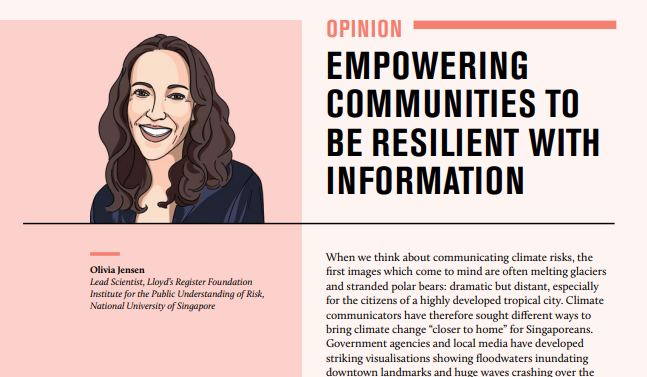
Dr Olivia Jensen, IPUR Lead Scientist (Environment and Climate) contributed an opinion piece to the Centre for Livable Cities’ playbook on “Building Community Resilience”. In the piece, titled “Empowering Communities to be Resilient with Information”, Dr Jensen speaks about communicating climate risks, the effectiveness of public risk management in Singapore and the resulting “caretaker effect” […]
ASEAN Disaster Risk Communication Framework
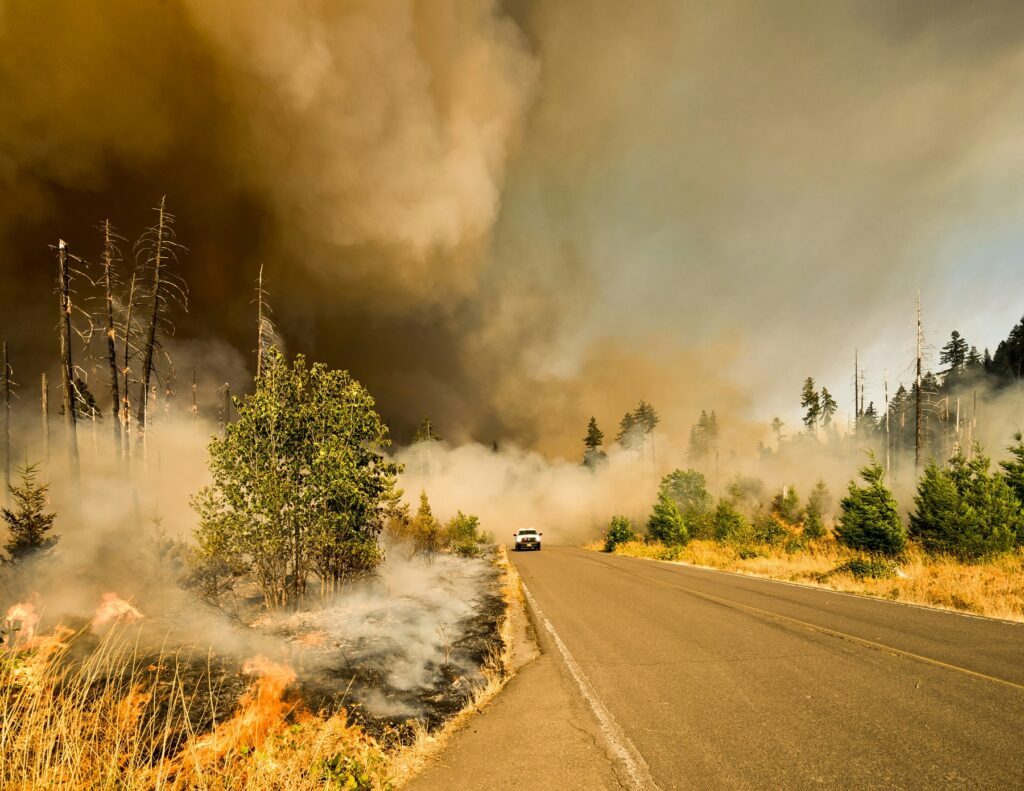
In the first week of September 2024, the ASEAN region was hit by 20 significant disasters caused by natural hazards, including floods, storms, and landslides. These events caused massive devastation, affecting 2.83 million people and claiming 46 lives. Unfortunately, this week was not an outlier. Each week, thousands—sometimes millions—across Southeast Asia face the impacts of […]
Affordable Decision-Support Tools: Building Resilience in Hazard-Prone Communities
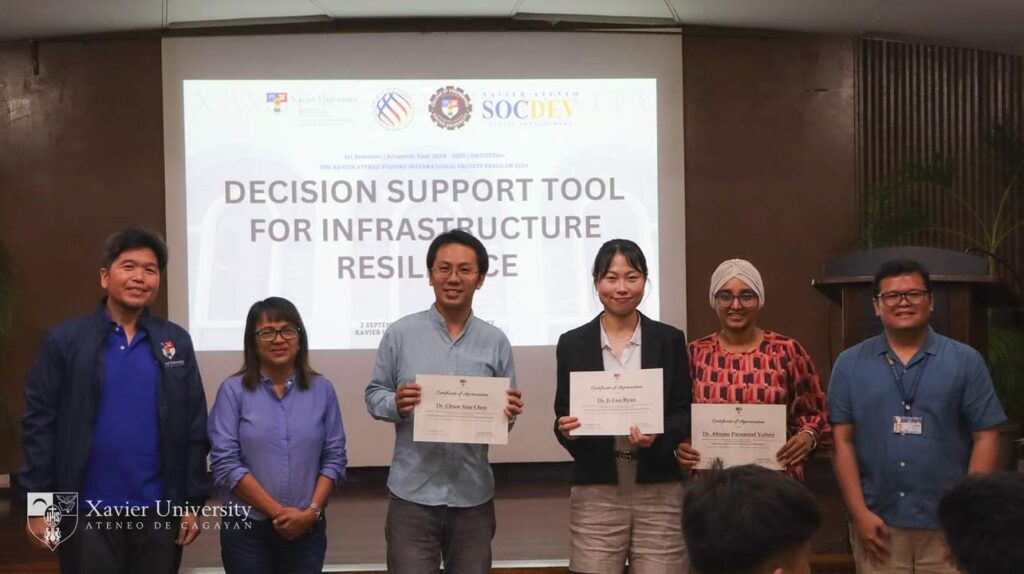
Dr Dextor S. Lo Sharing the Project Overview and CDO Risk Profile Dr Dina D’Ayala, University College of London (UCL) and a Workshop Participant Engaging in Discussion In December 2011, Typhoon Sendong (internationally known as Washi) struck Cagayan de Oro, Philippines, causing devastating flash floods that claimed over 1,200 lives and displaced tens of thousands. […]
A call for greater investment in climate change adaptation and resilience
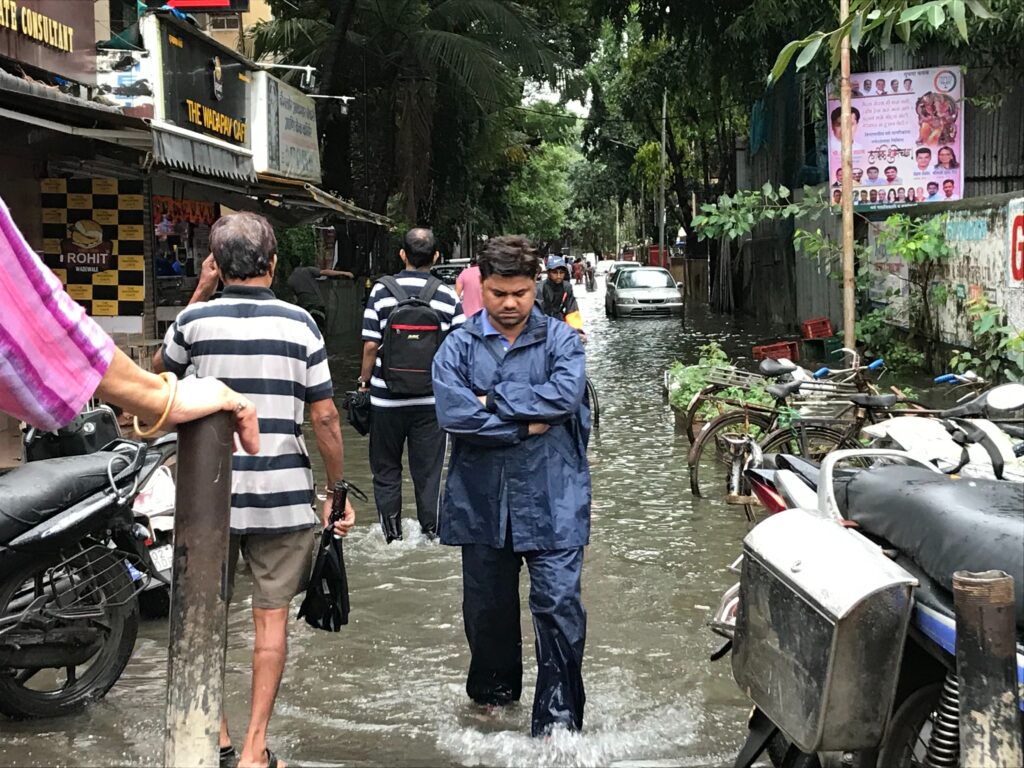
Disasters disrupt hundreds of thousands of lives every year. Each disaster has lasting effects, both to people and property. Climate change, population growth and urbanisation are just some of the many reasons which contribute to an increase in both the number and severity of disasters, with the Asia Pacific region particularly badly hit. The Institute […]