Taking in different perspectives and opinions.
This was the main takeaway for some participants of the Coastal Matters focus group workshop held on 30 September.
“The different opinions that came out during the discussions, I quite enjoyed hearing from people of different backgrounds and experiences,” said Andrew Lee, a PhD candidate studying anthropology.
Tasya Sarita, research fellow at the Coastal Protection and Flood Resilience Institute at NUS, shared similar sentiments. “Different places have different solutions, and it was refreshing to hear people talk about what solutions they had.”
She added that “everybody has different emotions to different parts of Singapore which they care about regarding coastal protection … it was nice to also see how people still care about green spaces like mangroves and mudflats.”
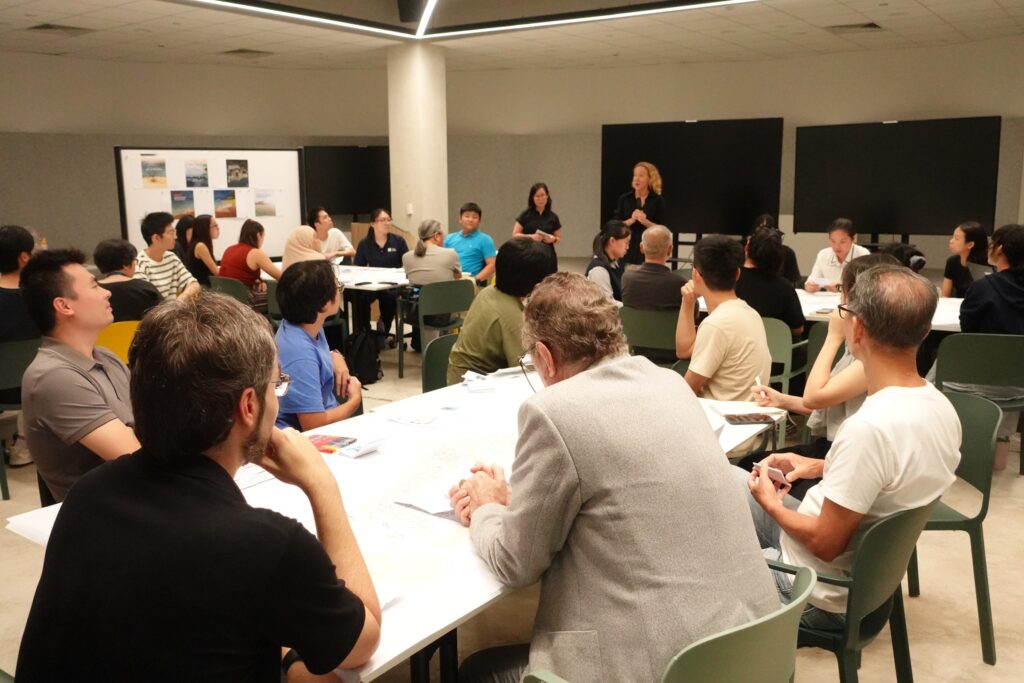
The workshop was organised by the LRF Institute for the Public Understanding of Risk (IPUR) and Department of Architecture at NUS. About 35 people attended the event held in conjunction with NUS Sustainability CONNECT 2026.
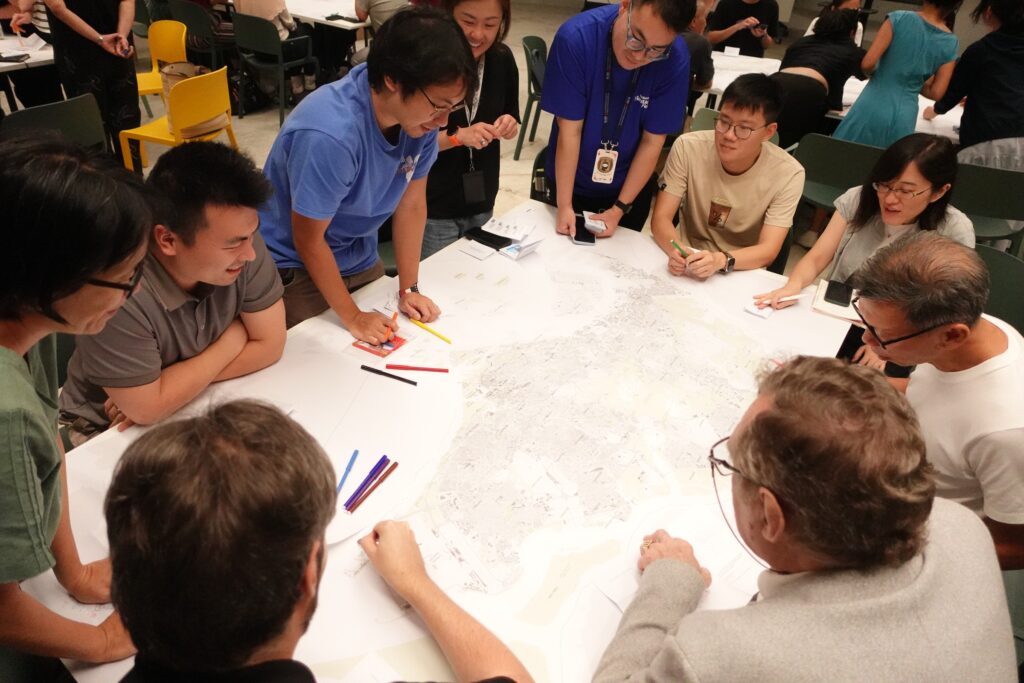
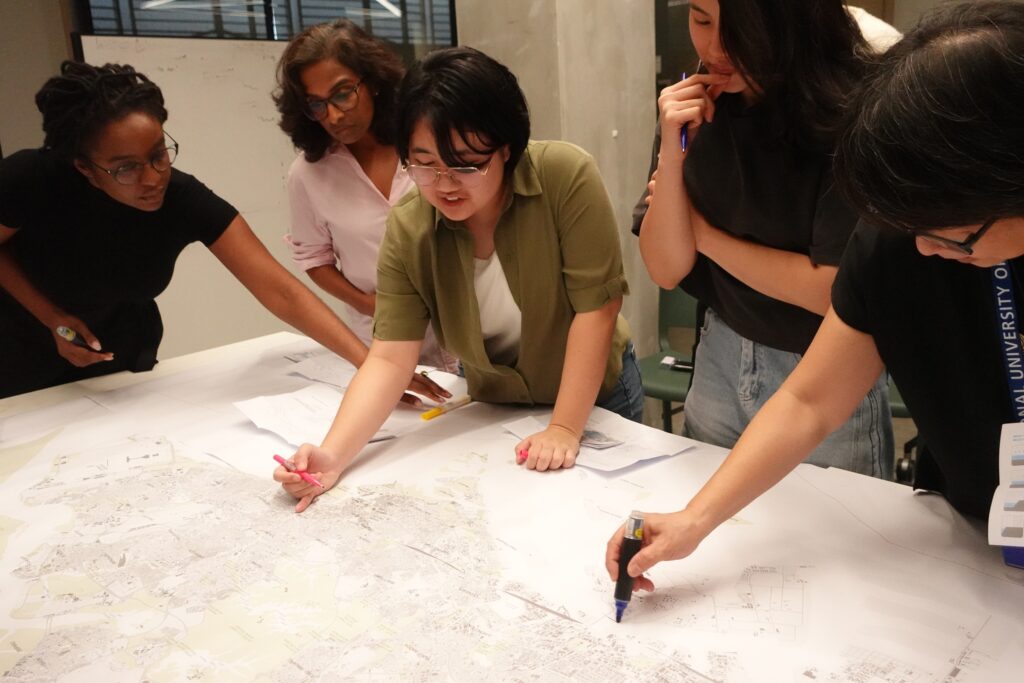
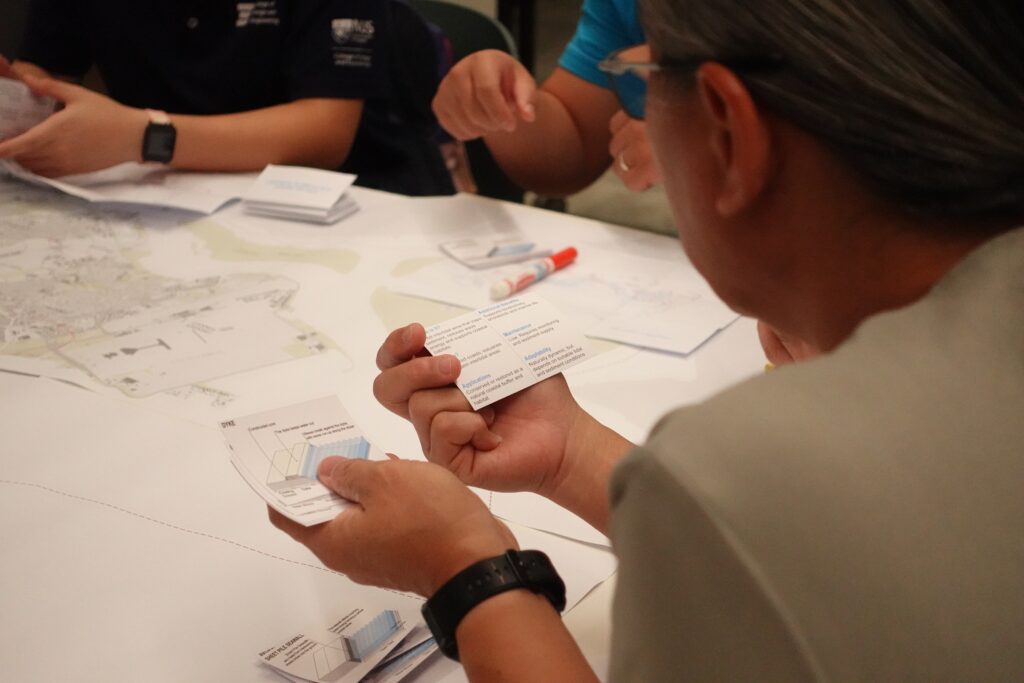
Participants were split into four groups and brought through a series of activities and discussions to gauge their awareness and reactions to different climate change and coastal flooding campaigns. After viewing campaign materials, participants discussed whether the information was familiar or surprising and whether it had influenced their decisions and preparedness. They then used a map of Singapore to identify places they felt could be affected by coastal flooding and climate change, reflecting on places of personal importance, changes they had observed, and which locations or communities might be particularly vulnerable.
Participants then considered how Singapore should prepare for and respond to coastal flooding. They discussed the respective responsibilities of individuals, communities and government, as well as preparedness and recovery. Using profiles and models of different coastal protection measures, participants mapped where they had encountered such infrastructure and where additional measures might be needed. The discussion also explored what makes coastal protection effective, how new infrastructure might affect everyday life, and what other actions could complement physical protection measures.
Thinking beyond coastal protection
In one group, participants viewed Singapore’s coast as both valuable and vulnerable, describing it as “dynamic”, “alive”, “beautiful” and rich in biodiversity, but also “changing”, “disappearing” and “vulnerable”. This shaped their views on coastal protection: while engineered solutions were seen as important, participants wanted greater consideration of biodiversity, greenery, aesthetics and how people interact with coastal spaces.
They also highlighted areas such as Pulau Ubin, Sungei Buloh, Labrador Park and Pasir Ris as places where ecological approaches, including mangrove protection, could form part of the coastal resilience strategy.
Sea-level rise, however, did not always feel like an immediate personal concern. Some participants said they did not live near the coast, while others expressed confidence that government, agencies and even academics were already addressing the issue.
They suggested that climate communication could make future risks more tangible by using clearer timeframes and showing how people might experience and interact with changing coastal environments.
Participants also felt that greater public awareness and citizen participation was needed, while recognising that environmental risks can cross national borders and require cooperation with neighbouring countries.