During a conference exploring health risk in an interconnected world, one message stood out: how people receive risk information can matter just as much as the information itself.
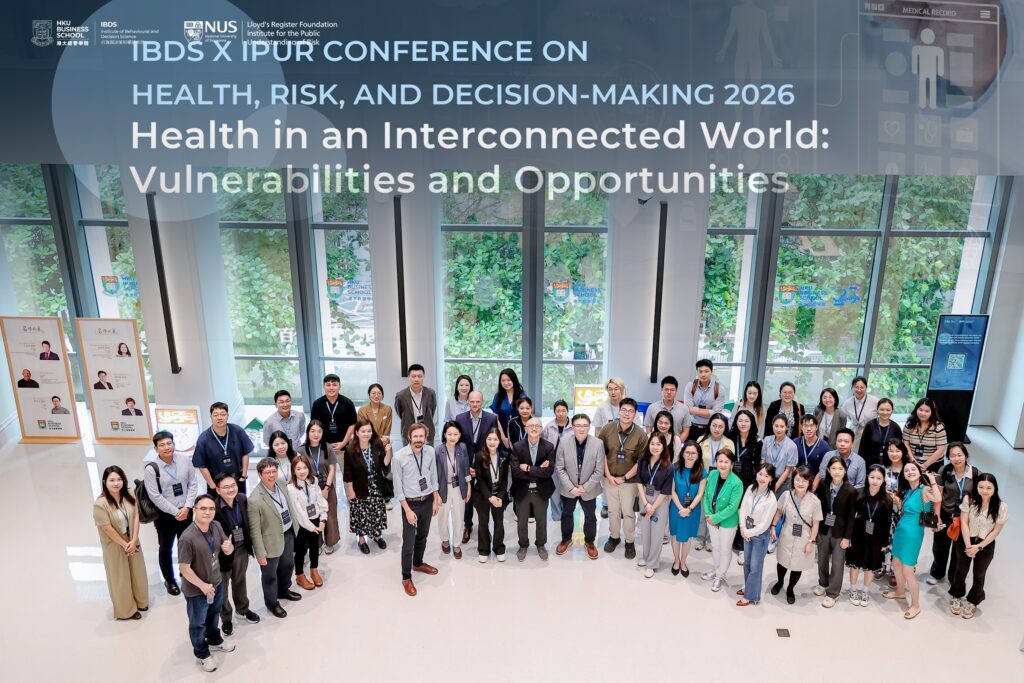
Held on 15–16 May 2026 across Hong Kong and Shenzhen and organised by the Institute of Behavioural and Decision Science (IBDS) and IPUR, the two-day conference brought together academics, medical professionals, and industry leaders to examine health, risk, and decision-making in a fast-changing world. Beyond the presentations, discussions returned to a central challenge: why do people ignore, avoid, or misread important risk information?
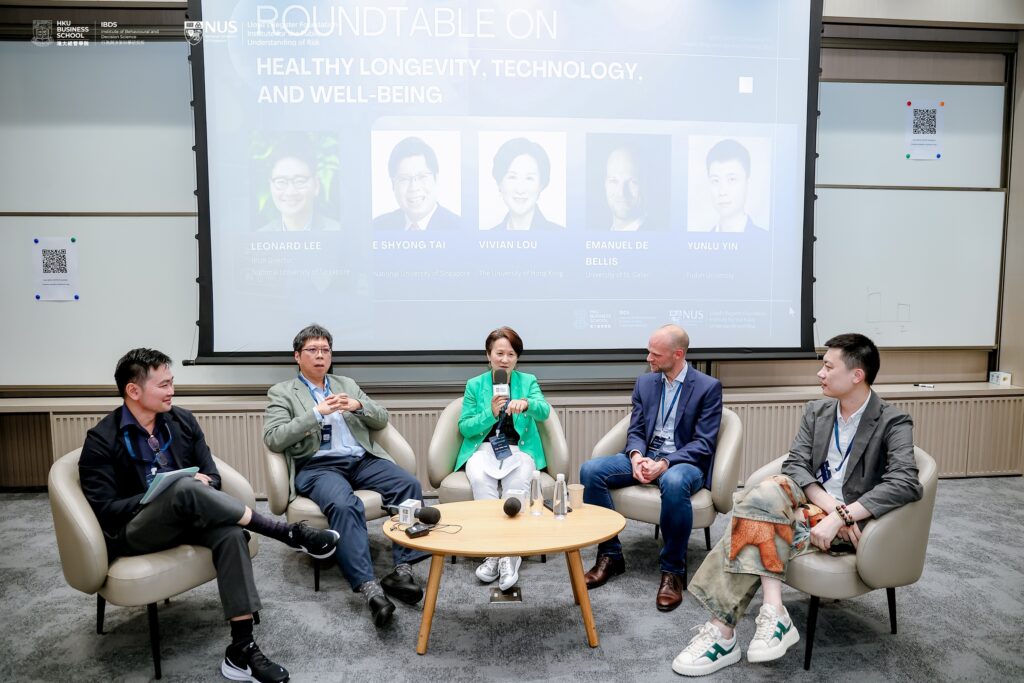
That question was at the heart of a lively roundtable on risk communication, where speakers discussed how to explain uncertainty, present absolute versus relative risk, and tailor messages to different audiences. Real-world scenarios, including conversations about multi-cancer early detection tests, showed how difficult it can be to talk about risk in ways that are both clear and emotionally resonant.
The conference also highlighted that risk communication is rarely just about facts. Presenters showed that people’s decisions are shaped by psychology, identity, and context. In health settings, even well-intentioned messages can backfire if they fail to address fear, control, or uncertainty. One study found that patients may avoid information when they feel personally responsible for a health risk, while another showed that people’s preferences for treatment can differ sharply depending on their socioeconomic background and their need to reduce uncertainty.
Several talks pointed to a broader lesson: effective risk communication must meet people where they are. Rather than simply delivering more data, speakers argued for messages and tools that align with audiences’ values, emotions, and lived realities. That includes everything from improving how antibiotic risks are explained to designing decision aids for patients facing complex treatment choices.
Across the conference, the implications were clear. In an era of AI, chronic disease, antimicrobial resistance, and ageing populations, risk communication is becoming a public health skill, not just an academic topic.