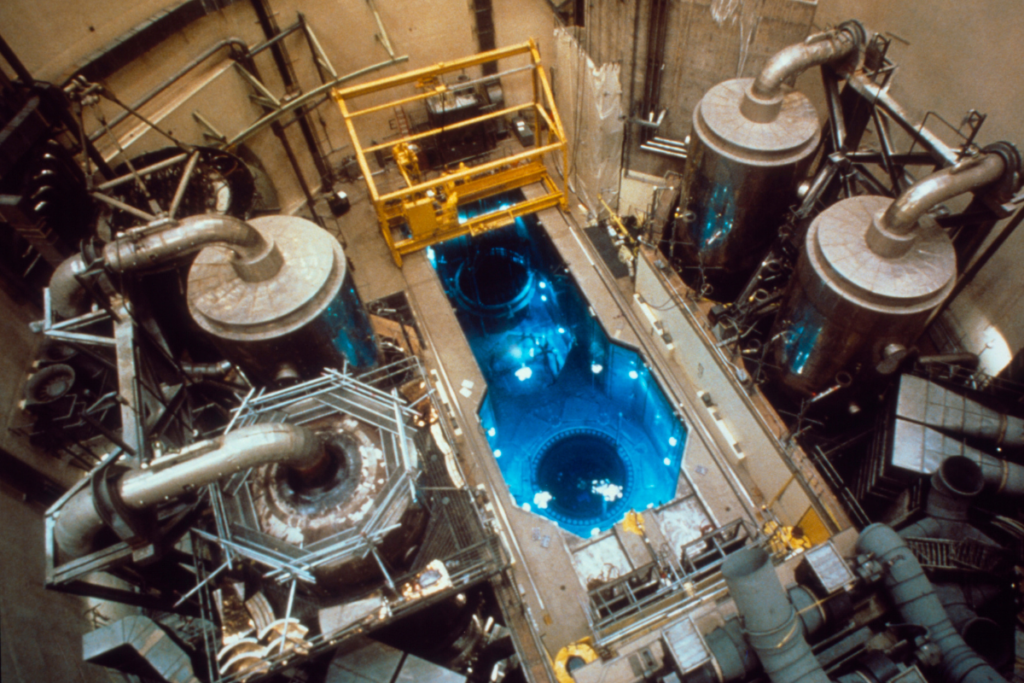
A new white paper by IPUR suggests that public acceptance will be a decisive factor if Singapore ever moves towards using nuclear power, even as the country studies whether the technology could support a secure and low-carbon energy future.
The April 2026 report reviews international research on public attitudes to nuclear energy and finds that perceptions are shaped most strongly by high-profile accidents such as Chernobyl and Fukushima. These events continue to dominate how people assess nuclear risk, often leading the public to view accidents as more likely than experts do and to judge today’s proposals through the lens of past disasters. It also finds that many people do not clearly distinguish between older and newer reactor designs, meaning that technical safety improvements may not automatically change public views.
Beyond accidents, the report highlights concerns that can persist even when measured radiation risks are low. Food safety, particularly fear of contamination in products such as seafood, is described as an enduring and emotionally charged issue, with consumer avoidance sometimes lasting years after an incident. The paper also points to social and psychological impacts, including “radiation stigma” that can affect communities in affected areas.
The white paper adds that today’s geopolitical context has increased attention to the possibility of deliberate attacks on civilian nuclear facilities during conflict. This concern tends to be influenced by broader security anxieties and levels of trust in government and regulators, rather than technical assessments alone.
The report also finds that public worries extend to nuclear power under normal operations, including beliefs that plants emit harmful radiation and may raise cancer risks, as well as concerns over the transport of nuclear materials and waste. Nuclear waste disposal is identified as one of the most persistent issues, driven by doubts about long-term containment and ethical questions about passing risks and responsibilities to future generations.
While the public often recognises benefits such as energy security and economic development, the report says environmental benefits are not universally accepted and nuclear is not automatically seen as a “climate solution” by all audiences.
A central theme running through the research is trust. Because people cannot directly verify nuclear safety for themselves, the report argues that confidence in institutions – regulators, operators and government – strongly shapes whether nuclear power is accepted. Transparent decision-making, clear communication of trade-offs and uncertainties, and meaningful public engagement are presented as essential to building a “social license” for any future nuclear deployment.
Singapore has not decided whether to deploy nuclear energy, but any future pathway would require not only technical and regulatory readiness, but also sustained efforts to understand and address public concerns.