
Understanding How People Respond to Climate Risks in the Real World

Dr Omid Ghasemi, 3 December 2025: Dr Omid Ghasemi gave insights to his research studies and found that personal experience of extreme weather has limited and mixed effects on climate beliefs. It was found that subjective attribution were more influential.
Getting to Net Zero

This report summarises key insights from IPUR’s study on Singaporeans’ attitudes toward Net Zero and individual climate actions. The research was conducted in partnership with the Ministry of Sustainability and the Environment (MSE) and the Lee Kuan Yew Centre for Innovative Cities (LKYCIC) to understand public perceptions, policy support, and behavioural trends related to climate […]
If people aren’t responding to climate warnings, we need to change the message

Top decision-makers place extreme weather events and the failure of policies to address climate change as the top two high-probability, high-impact risks facing the world. Yet there often appears to be a wide gulf between the priority top decision-makers give to climate issues and the public’s level of concern. This gap matters for two reasons: […]
How-to-Guide on Reducing Your Carbon Footprint

IPUR developed a How-to-Guide to equip individuals with the right know-how on things they should know and do to reduce their carbon footprint. The guide serves as a simple yet informative document to support individuals in adapting their daily lifestyle habits to better align not only with Singapore’s Net Zero ambitions but globally as well. […]
Getting to Net Zero: Knowledge and Perceptions in Singapore

IPUR embarked on a study with the Ministry of Sustainability and the Environment (MSE) and Lee Kuan Yew Centre for Innovative Cities (LKYCIC) at the Singapore University of Technology and Design (SUTD) to understand Singaporeans’ attitudes towards the nation’s Net Zero targets and its associated policies, as well as the actions they intend to take […]
Insight Report: Climate Change Communication Today
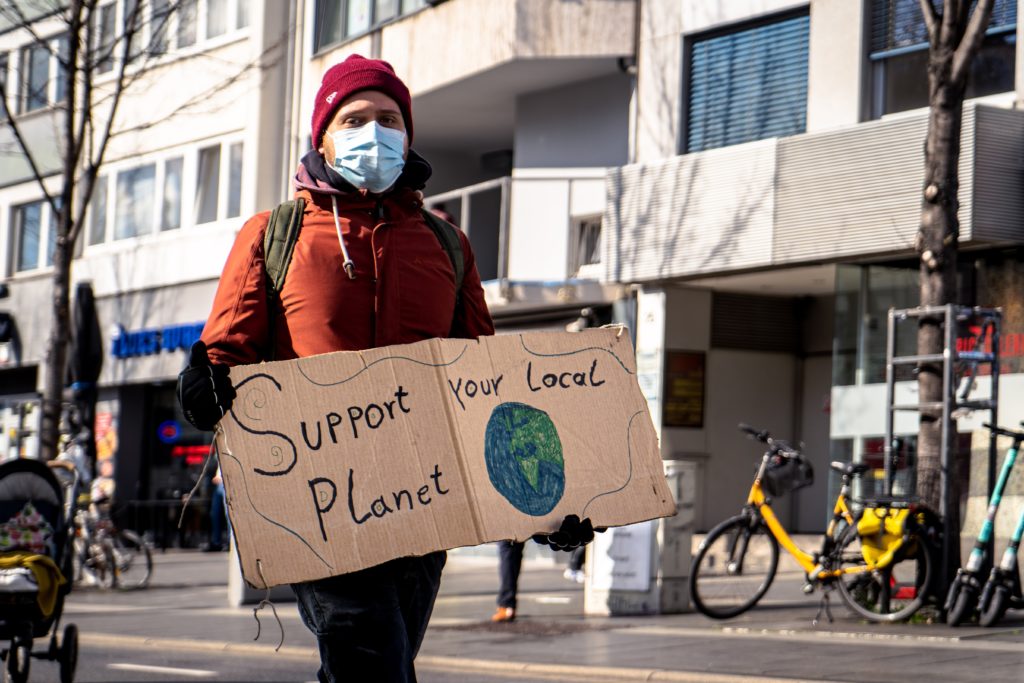
A study funded by the LRF Institute for the Public Understanding of Risk (IPUR) found that climate change communicators work to relate climate change impacts to the experiences of their audience with extreme events, the way they now live, and give specific examples of changes that might happen and actions that could be taken. The […]
Climate Change and Energy Futures – Theoretical Frameworks, Epistemological Issues, and Methodological Perspectives

Make climate change personable in order to inspire action
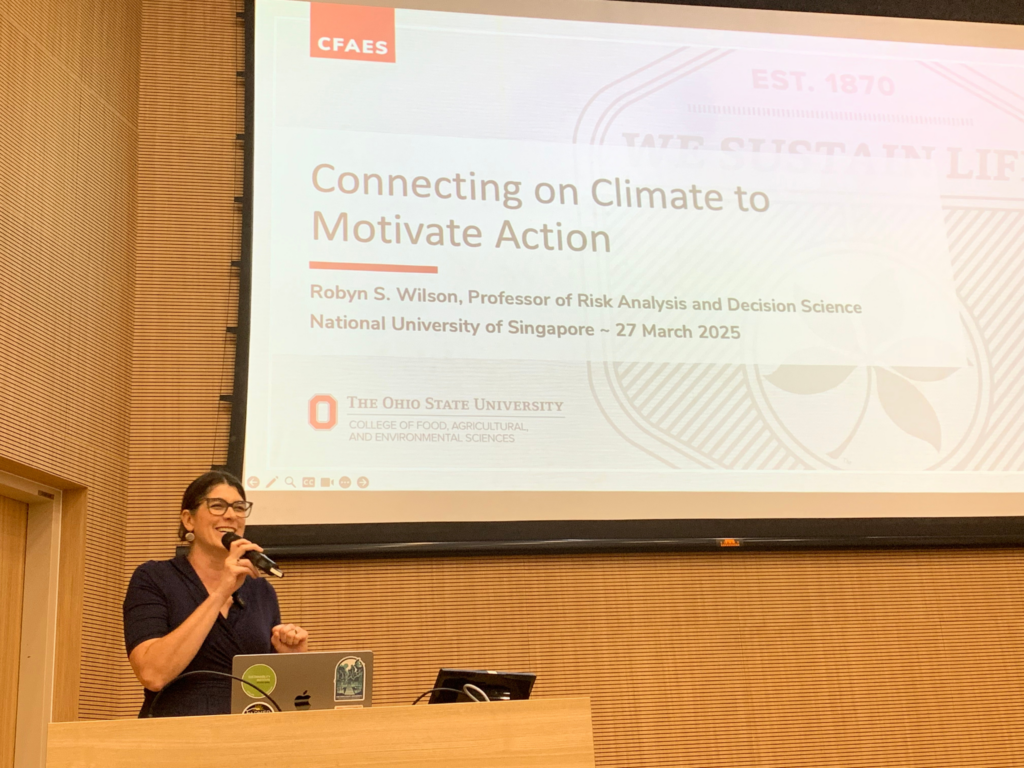
During her research lecture on 27 March, Dr Robyn Wilson introduced and elaborated on several key concepts such as how to create climate change messages that are relevant to the local context and reduce your “climate shadow” as an individual action. To build on some of the talking points, she shares further insight below. Dr […]
Meaty issues: Navigating the challenges of a climate-friendly diet
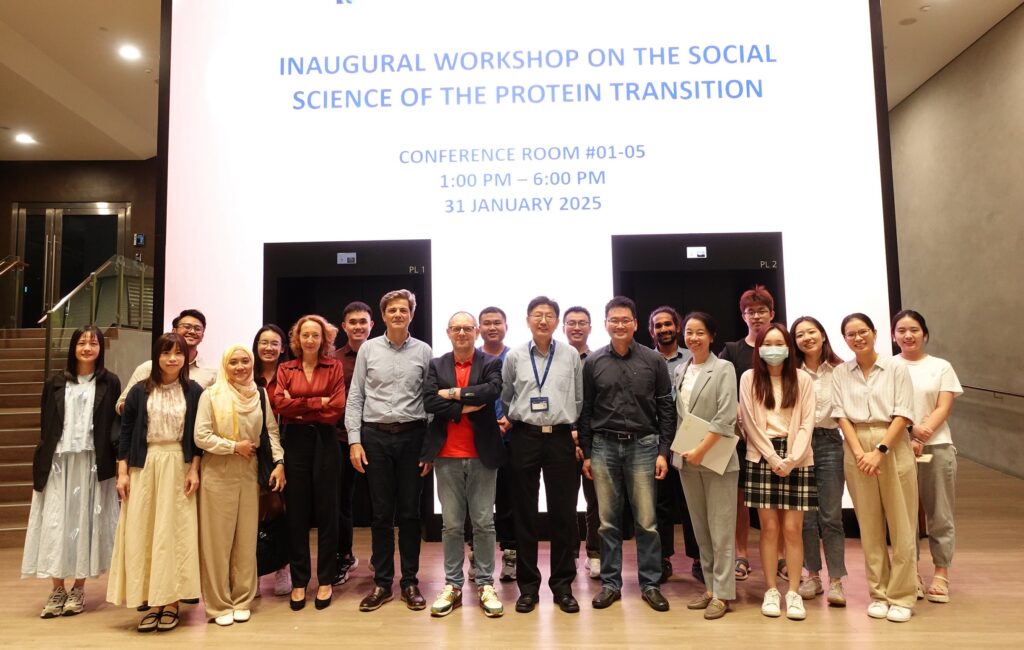
https://www.youtube.com/watch?v=ABraO9dvxME Watch the full recording of the workshop. Every time you trade your car for public transport or take a reusable bag to the supermarket, you are helping Singapore inch toward its 2050 net zero target. But the most powerful climate action might be sitting right on your dinner plate – by cutting down on […]
The carbon intensity of food items: What you need to know
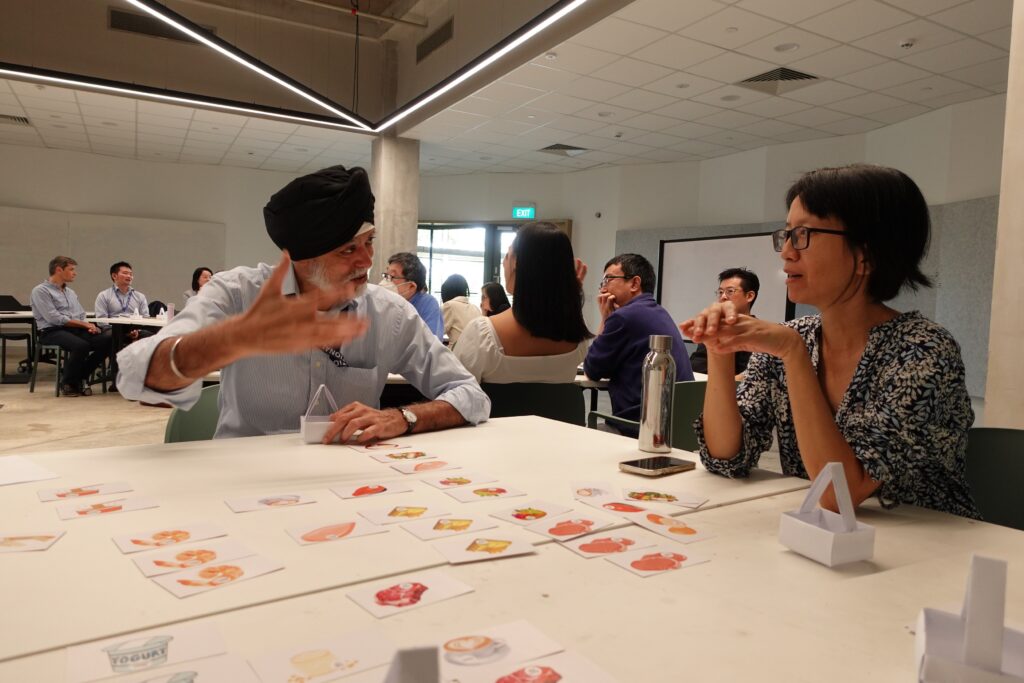
Previous Next Did you know that consuming 1 kg of beef results in a staggering 30 kg of CO2e emissions? That’s like driving a petrol-powered car for over 100 km, but without even leaving your dining table! Beef, often referred to as “the edible version of coal,” has an extraordinarily high carbon footprint, making it […]